troubleshooting
Dust escaping a drum sander: inspect the collection path
Dust escaping around a drum sander can reflect a restriction, a poor connection, an unsuitable collection setup, or a change in the sanding job. Start with when the problem appeared. A machine that always captured poorly presents a different case from a system that worked acceptably until its bag filled or a hose was moved.
As an Amazon Associate I earn from qualifying purchases. “Check Amazon” links are affiliate links.
A relevant product to inspect
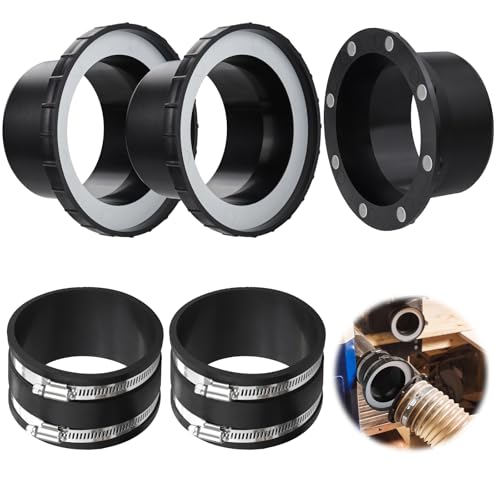
Check exact model, included equipment and current seller details.
Check AmazonStop and trace the route
Turn off and disconnect the sander and collector before opening their components or clearing a blockage. Follow each machine’s shutdown and servicing instructions. Trace the path from the hood through the hose and fittings to the collector. Look for a detached connection, collapsed section, closed gate, obvious leak, or packed material.
Check the hood’s normal closed position and attachment. A poorly seated cover should be corrected according to the manual, not held down by an improvised weight. Do not put your hand into a port while the system is running to decide whether suction feels adequate.
Compare requirements with the actual system
Read the sander’s extraction requirements and the collector’s guidance together. Port diameter alone does not establish that a collector is suitable. The SuperMax 19-38 manual specifies a minimum recommended collector capacity of 600 cfm and notes that some applications need more; that figure belongs to that manual, not every drum sander.
Treat an advertised airflow number as one piece of information, not a measurement at your installed hood. Hose routing, restrictions, and filter condition are relevant questions when asking the collection supplier to assess the setup. Avoid inventing an at-tool airflow figure from a motor horsepower label.
Check the complete product offer
Affiliate link. Confirm the version, specifications and included accessories before purchase.
Check AmazonInspect the collector as well as the sander
Follow the collector’s procedure for emptying its container and maintaining its filter. Make sure the filter and collection parts are fitted correctly after service. If capture changed after a modification, document the old and new arrangement, including hose length and fittings, so the supplier can evaluate the difference.
Do not respond by opening the sander’s guard to let dust escape elsewhere. A room air cleaner and personal protective equipment do not repair a failed extraction connection. Use the protection specified for the job while correcting the collection problem.
Verify with a representative job
After reassembly, run the approved test with a suitable piece and the normal sanding setup. Look for where dust first becomes visible without moving into the discharge path. Compare a light pass with the job that caused the complaint, staying within the machine’s operating limits.
Record whether the problem is continuous or appears only on wide stock, at a particular feed setting, or near a specific joint. Visible improvement does not establish that airborne fine dust is controlled to a measured standard. If dust continues escaping or you cannot confirm the collection equipment is appropriate, pause production and ask the manufacturers to review the system.
Questions, answered
Will a smaller hose adapter solve weak suction?
Do not assume that. Use the connection and airflow guidance for the equipment; an adapter that fits physically may still create an unsuitable system.
Does no visible cloud prove the air is clean?
No. Fine airborne dust is not reliably assessed by eyesight. Collection performance and exposure assessment are separate questions.

