troubleshooting
Loaded sandpaper: decide when to clean or replace a wrap
Loaded abrasive has material lodged among its cutting grains. Worn abrasive has lost useful cutting ability. They can look similar from a distance, and both may occur on the same strip. Cleaning may remove a deposit, but it does not renew worn grains or repair damaged backing. Begin by examining the wrap safely rather than compensating with a deeper setting.
As an Amazon Associate I earn from qualifying purchases. “Check Amazon” links are affiliate links.
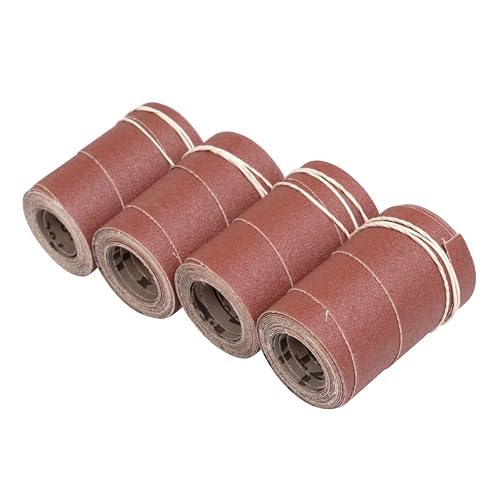
A relevant product to inspect

Check exact model, included equipment and current seller details.
Check AmazonLook for a repeatable pattern
Stop, wait for the drum to stop, and unplug before opening the cover. Compare the working lane with an unused area of the same wrap. Note shiny deposits, packed patches, discoloration, and backing damage. Photograph the pattern, especially if it corresponds to a stripe on the board.
Ask what changed before loading became noticeable: a different species, glue-up, grit, workpiece width, or extraction setup. A new patch after every pass points toward an ongoing condition. A generally tired strip after substantial use may simply be due for replacement.
Check the material being sanded
Inspect the board before putting it back in the machine. Separate hardened residue, uncured adhesive, and applied finish from clean wood; they are not the same sanding problem. Check that the material itself is permitted by your sander and abrasive manufacturers. Do not assume permission to sand wood automatically covers every coating or composite.
For glue-ups, follow the adhesive manufacturer’s cure guidance and remove protruding squeeze-out by an appropriate preparation method. A surface that feels dry is not necessarily ready for a demanding sanding operation. Save a representative offcut when possible so you can test the process without risking the final panel.
Check the complete product offer
Affiliate link. Confirm the version, specifications and included accessories before purchase.
Check AmazonChoose a safe cleaning method
Use the current cleaning instructions for the exact machine and abrasive. Some older manuals illustrate cleaning a rotating exposed drum; this guide does not generalize that technique. If cleaning seems to require opening a guard or placing a hand-held object near moving abrasive, ask the manufacturer for its current approved procedure.
Do not improvise with solvents, wire brushes, sharp scrapers, or forced air aimed into the machine. If there is no clear approved method you can perform safely, replace the wrap. A cleaning accessory is not permission to bypass the machine’s normal guarding requirements.
Prevent immediate recurrence
Check the dust-collection path and return to a suitable sanding sequence on scrap. Record whether the new or cleaned wrap stays clear under the same job conditions. If it loads again quickly, stop trying to recover it after every board and investigate the material, extraction, and material-removal demand.
Keep useful notes about the affected species, abrasive brand and grit, and the length of the run. Do not claim a cleaning method worked solely because the wrap looks lighter in color. Confirm that cutting and the resulting surface improved without creating marks, feeding trouble, or excessive heat. Replace any wrap with torn backing, loose attachment, or a damaged edge regardless of its apparent cleanliness.
Questions, answered
Can cleaning make old paper like new?
It may remove contamination from usable abrasive. It cannot restore worn cutting grains or reverse damage to the backing.
Should I sand harder to clear a loaded spot?
No. Identify the deposit and use an approved cleaning method or replacement. Increased material removal is not a cleaning procedure.