comparisons
JET JWDS-1836 vs SuperMax 19-38
Favor the SuperMax 19-38 if your recurring parts need the extra single-pass inch or a thickness opening above three inches. Keep the JET JWDS-1836 on the shortlist when eighteen inches covers your work and its documented shop requirements suit the installation. Neither machine wins every furniture project from these numbers. This comparison interprets official specifications rather than claiming comparative sanding tests.
As an Amazon Associate I earn from qualifying purchases. “Check Amazon” links are affiliate links.

Confirm the exact version and included equipment.
Check Amazon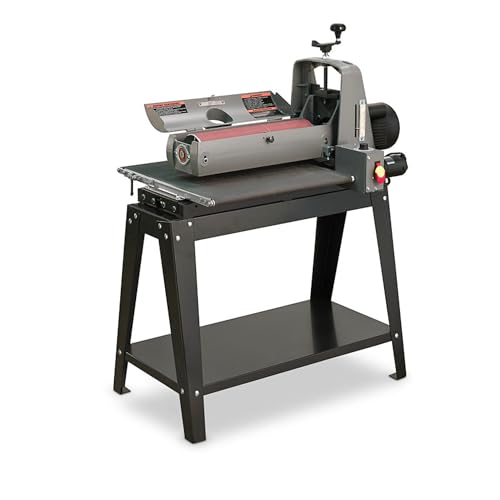
Confirm the exact version and included equipment.
Check AmazonSide-by-side buying comparison
A missing specification is not an unlimited capacity. Check the exact manual, model generation and seller package.
| Decision point | JET JWDS-1836 drum sander | SuperMax 19-38 drum sander |
|---|---|---|
| Single-pass width | 18 in | 19 in |
| Documented two-pass width | 36 in | 38 in |
| Minimum stock thickness | 0.03125 in | 0.03125 in |
| Maximum stock thickness | 3 in | 4 in |
| Minimum stock length | 2.375 in | 2.25 in |
| Documented supply voltage | 115V | 110V |
| Documented dust airflow | 400 CFM | 600 CFM |
| Current Amazon offer | Check Amazon | Check Amazon |
Specifications are documented limits, not our test results. Supply voltage does not establish phase or circuit suitability.
One inch matters only for the parts that cross the boundary
JET documents eighteen-inch single-pass and thirty-six-inch two-pass capacity. SuperMax documents nineteen inches in one pass and thirty-eight inches in two. A panel eighteen and a half inches wide highlights the difference: it fits the SuperMax single-pass envelope but requires the JET’s over-width process. A seventeen-inch assembly does not create the same distinction.
Measure the work at its sanding stage, allowing for material you will trim later. Repeatedly processing a near-limit panel can justify more width; one rare oversized project may not. Sorting your project list by actual width turns the comparison into a concrete decision about handling rather than an automatic preference for the larger number.
SuperMax has the larger thickness opening
The reviewed JET manual gives a three-inch maximum thickness; SuperMax lists four inches. Both publish a 1/32-inch lower limit. The larger opening is useful only if your intended stock or an approved working arrangement needs it. It does not demonstrate that SuperMax removes material faster, tolerates a deeper cut, or can replace a different stock-preparation process.
Minimum board length is also different: JET specifies 2-3/8 inches and SuperMax 2-1/4 inches. For most large furniture panels this will not affect the choice. For small blanks, consider every applicable limit together and read the carrier/backing guidance for thin work. Do not let a permissive-looking thickness number override requirements for controlled feeding.
The open-end width deserves its own workflow
Neither thirty-six nor thirty-eight inches represents a full-width sanding cylinder. Those maximums require two passes and proper setup. Plan how the assembly returns to the infeed position and how you will support it without awkward movement. A heavy tabletop can make the surrounding space and handling method as important as the capacity printed in the brochure.
SuperMax describes a wide-panel adjustment lever; JET also provides alignment procedures for its conveyor and drum relationship. Ask for a demonstration explaining the relevant adjustment rather than assuming either system eliminates overlap checks. Measure the result at several points across a sample and inspect under angled light. This comparison does not establish a tested advantage in witness marks or surface finish.
Check the complete product offer
Affiliate link. Confirm the version, specifications and included accessories before purchase.
JET JWDS-1836 drum sander
Check AmazonSuperMax 19-38 drum sander
Check AmazonCheck extraction before the order
JET’s current shared manual specifies 400 CFM minimum extraction through a four-inch port. SuperMax calls for at least 600 CFM recommended collector capacity at its four-inch connection, with some applications requiring more. Read those numbers as installation guidance from each manufacturer. Port size alone cannot tell you that the same hose run and collector arrangement are sufficient.
For US power, JET specifies 115V and recommends a twenty-amp circuit; SuperMax specifies 110V single-phase twenty-amp service and explicitly prohibits rewiring its 19-38 drum sander to 220V. Confirm the machine identity and installation instructions. A familiar receptacle or a seller’s general statement about household power is not a substitute for the applicable requirements.
Compare the workstation you will actually receive
Get an itemized quotation covering the stand, support tables, mobility components, abrasive, shipping, and any installation help. Also measure the space with the tables deployed and a representative long board in position. A machine that parks compactly may occupy much more useful floor area during operation, especially if it must be rolled out before every session.
Ask about abrasive availability, replacement conveyors, and technical support for setup problems. Retain the model and package numbers with your receipt. SuperMax’s 19-38 drum sander is distinct from similarly named brush or combo equipment, so consumable and manual searches need the full identity. On either brand, verify a claimed accessory fit rather than relying on drum width alone.
Make the capacity increment earn its place
SuperMax is the natural starting point if you routinely need between eighteen and nineteen inches in one pass, between thirty-six and thirty-eight inches in two, or the taller opening. JET remains a sensible candidate for work comfortably inside its limits. Compare total installed costs only after confirming which of these increments actually changes your process.
If the parts fit both machines, examine the controls and service arrangements rather than inventing a quality ranking from horsepower or drum speed. If most parts exceed both single-pass widths, compare the next wider class. The better choice is the machine that fits normal work with a manageable installation, not necessarily the one with the largest occasional maximum.
Questions, answered
Will SuperMax save a pass on an eighteen-and-a-half-inch panel?
Its documented nineteen-inch single-pass capacity covers that width; JET’s eighteen-inch single-pass limit does not. Other stock requirements must also be met.
Does a four-inch opening permit a heavier sanding cut?
No. Maximum workpiece thickness and permissible material removal are different concepts. Follow the model’s operating instructions.
Is the SuperMax 19-38 brush machine covered here?
No. This comparison uses the conveyor drum-sander model and its US manual; similarly named brush/combo products have separate identities.