buying guides
Drum Sander Dust Collection Requirements
Choose dust collection from the exact drum sander requirement and the collector performance at your installed resistance. Hose diameter and advertised maximum CFM are not enough to establish a match. Plan extraction before purchasing the sander because it affects both the budget and shop layout.
As an Amazon Associate I earn from qualifying purchases. “Check Amazon” links are affiliate links.
A relevant product to inspect
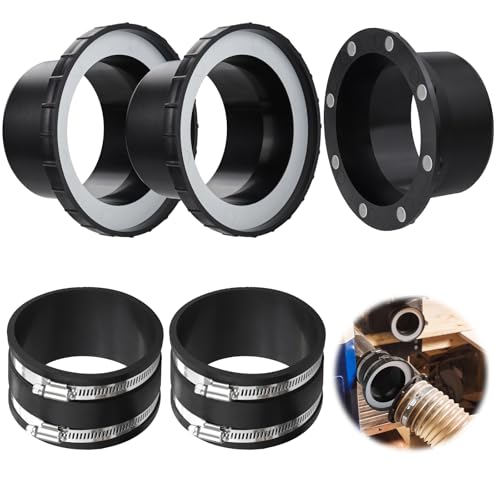
Check exact model, included equipment and current seller details.
Check AmazonBegin with the machine manual
Record the number and size of dust ports and the stated airflow requirement. For example, the SuperMax 19-38 manual specifies a four-inch connection and a minimum recommended collection capacity of 600 CFM. That is a requirement for this documented model, not a universal drum-sander target.
Read the surrounding instructions as well as the specification table. Some operations may require more than a listed minimum. If a product page and manual disagree, resolve the discrepancy with the manufacturer using the exact model and manual revision rather than selecting whichever number makes your existing collector appear adequate.
Understand delivered airflow
Oneida explains that a dust collector must overcome resistance while providing airflow to the tool. Hose, fittings, duct length, and filtration all affect the system. A maximum airflow headline does not tell you what remains at the sander after those restrictions are included.
Ask for a fan curve or a manufacturer assessment of your proposed arrangement. Give the collector supplier the machine requirement and a realistic duct layout. Compare performance under the relevant conditions instead of ranking collectors by horsepower, bag size, or inlet diameter alone.
Avoid accessory-driven assumptions
A reducer that physically joins two ports does not prove adequate airflow. Likewise, a shop vacuum connecting neatly to an adapter is not evidence that it satisfies a large-port sander requirement. Assess the entire system and obtain confirmation where performance is uncertain.
A separator can change maintenance convenience, but its resistance also belongs in the performance assessment. Filtration and source capture are separate questions: an efficient filter only treats air that reaches it. Do not equate a clean-looking floor or visible collection in a bin with proof that all airborne dust is controlled.
Check the complete product offer
Affiliate link. Confirm the version, specifications and included accessories before purchase.
Check AmazonDesign for routine use and maintenance
Choose a route that is practical to keep connected, and preserve access to gates, the collection container, and filters. Follow the collector instructions for maintenance and for the kinds of material it may handle. Avoid combining unrelated collection tasks merely because one machine has spare hose connections.
Before buying, total the collector, suitable filtration, duct or hose, fittings, and any necessary electrical work. Ask how the proposed performance will be checked after installation. If your current system cannot meet the documented requirement, price the upgrade as part of the sander purchase. A more capable sanding head is poor value if its installation leaves extraction unresolved. Use the machine and collector manuals together, and seek supplier guidance for uncertain system sizing rather than treating a generic online CFM table as a complete design.
Document the final configuration
Keep a simple record of the collector model, filter, connected accessories, duct route, and the manufacturer guidance used to size it. When you later add a separator or move the machine, revisit that assessment. A system change can alter delivered performance even though the collector motor and sander remain the same.
Questions, answered
Is 600 CFM enough for every drum sander?
No. It is the minimum recommendation in the cited SuperMax 19-38 manual. Other machines and installations have different requirements.
Can a shop vacuum replace a dust collector?
Only if the proposed system demonstrably meets the exact machine requirements. Connector fit or strong suction alone does not establish adequate delivered airflow.

